_JoinUs.webp)
Racing Cargo Delivers OOG Machinery From Taiwan to Mexico
Racing Cargo Mexico delivered an OOG transformer machining center from Taiwan to Mexico, overcoming typhoon delays and regulatory challenges.
_logo.webp)
The northern South American nation of Guyana has become a rising logistics and trade hub, which attracts more interest from regional stakeholders. The country connects to the Atlantic Ocean through its ocean access while maintaining increasing trade relationships with North America, Latin America and the Caribbean region to support regional supply chain development. The current economic situation has created rising needs for dependable logistics services because of growing demand in the energy and infrastructure industries. The process of freight transportation in Guyana depends on freight forwarders who manage all aspects of cargo transportation and customs clearance and multiple transportation methods. The process of moving goods between locations becomes more efficient through the collaboration of experienced Guyana transporters who work with established Guyana companies and freight forwarders.
The transportation industry in Guyana is undergoing fast development because the nation dedicates resources to build new infrastructure and improve trade operations. The domestic logistics network depends on road transport because it links ports to industrial zones and warehouses and commercial centers. The transportation network of Guyana includes trucking operations which handle agricultural products and construction materials and fuel and consumer goods between the nation's essential transportation routes.
The geographical features of Guyana create situations which bring both positive aspects and negative aspects. The coastal regions maintain excellent connectivity but inland areas depend on road transportation and river and air transportation systems for their connectivity. Freight forwarders handle intricate logistics networks which enable them to deliver cargo to distant areas with maximum efficiency. The services operate as critical infrastructure which supports mining operations together with agricultural activities and energy exploration activities.
The logistics industry depends on air transport to deliver both urgent and valuable cargo shipments. The Cheddi Jagan International Airport functions as the main air cargo entry point which links Guyana to essential North American and Caribbean flight routes. Freight forwarders manage air freight operations to achieve quick customs processing and efficient delivery of goods to their next destinations.
The government maintains its focus on building infrastructure through efforts to enhance road systems and expand port facilities. The investments have enhanced the operational strength of Guyana companies which handle trade and logistics activities thus making Guyana an improved choice for worldwide business operations.
Guyana’s logistics system relies on a combination of sea, air, road, and river transport to support trade and distribution.
Sea Freight in Guyana: Maritime transport serves as the essential base for Guyana shipping operations. The Port of Georgetown operates as Guyana's primary seaport which serves as the main shipping facility for containerized cargo and bulk goods and industrial freight. The shipping industry uses sea freight to transport machinery and construction materials and consumer products into the country while it exports agricultural products and unprocessed materials.
The operations of sea freight in Guyana depend on freight forwarders who handle port operations and customs paperwork and cargo grouping and transportation between locations. Ocean shipping provides the best economic value for transporting big heavy shipments.
Air Freight in Guyana: Air cargo enables fast and adaptable delivery of critical packages through its service. Freight forwarders provide air freight solutions for medical supplies and spare parts and electronics and all other urgent shipments. Air transport systems work together with road distribution networks to achieve complete logistics efficiency.
Road and River Transport in Guyana: The distribution network of inland areas depends on road transport but river transport enables the delivery of goods to remote interior locations. The transportation network of Guyana depends on specialized equipment which enables cargo transportation through various terrain types to maintain supply chain operations in remote locations.
Companies operating in Guyana need to choose their logistics partner with utmost care because it represents a vital decision for their business operations. The professional directory of Guyana freight forwarders contains providers who specialize in customs clearance and multimodal transport and regional supply chain coordination.
The Overseas Project Cargo Association (OPCA) provides a dependable worldwide network which enables businesses to find dependable freight forwarding and logistics service providers operating in Guyana. The network of OPCA consists of approved Guyana transporters and logistics experts who provide international standard services while being familiar with both local operational rules and regulatory requirements. The membership with OPCA allows businesses to connect with local experts who maintain access to worldwide logistics capabilities.
The logistics sector in Guyana advances because the country builds new infrastructure while its trade operations expand and its transportation network becomes more efficient. The professional Guyana freight forwarders together with reliable shipping operations and OPCA's worldwide network enable Guyana companies to operate efficient supply chain management which drives sustained economic expansion.
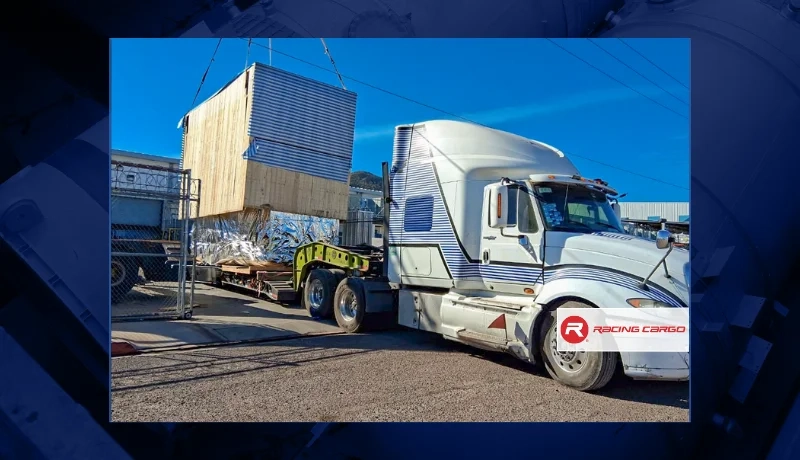
Racing Cargo Mexico delivered an OOG transformer machining center from Taiwan to Mexico, overcoming typhoon delays and regulatory challenges.

CIP Incoterms outline insurance, costs, and responsibilities in trade. Learn the key differences with CIF and when to use CIP in shipping.

Plan your shipment from China to Sri Lanka with confidence. Compare costs, delivery methods, transit times, and tips to avoid shipping delays.