_logo.webp)

Shipping From the China to Sri Lanka Ultimate Guide
Table of Contents
China and Sri Lanka maintain rising trade levels because their economic relationship continues to strengthen, while their markets show rising interest in consumer products and machinery and textiles and electronics and construction materials. The China to Sri Lanka shipping route now operates with more frequent departures and structured logistics systems that compete against each other.
For businesses, understanding China to Sri Lanka shipping time, estimating China to Sri Lanka shipping cost, and working with professional shipping agents in China to Sri Lanka are critical steps for building a reliable supply chain. The selection of shipping methods by small importers and large trading companies determines how their business expenses, delivery times, and operational performance will be affected, particularly in terms of efficiency, reliability, and overall supply chain effectiveness.
This ultimate guide explains all major shipping options, pricing structures, transit times, and best practices for shipping from China to Sri Lanka.
Shipping Options from the China to Sri Lanka
There are two main logistics methods available for international shipments between China and Sri Lanka:
- Sea freight
- Air freight
The main shipping method for sea freight operates because it offers budget-friendly rates which allow companies to transport big volumes of large cargo. The main purpose of air freight operations involves delivering critical and valuable cargo shipments.
Most companies depend on seasoned shipping agents who operate between China and Sri Lanka to handle all aspects of booking operations and documentation processing and customs clearance procedures. These agents manage all logistics operations which begin with Chinese cargo collection and end with Sri Lankan delivery completion.
The China to Sri Lanka shipping route typically starts from major Chinese ports such as Shanghai, Ningbo, Shenzhen, or Guangzhou and arrives at Colombo Port, which is the main maritime gateway of Sri Lanka.
Shipping Costs from the China to Sri Lanka
The total China to Sri Lanka shipping cost depends on several key variables:
- Cargo weight and volume
- Shipping method (sea or air)
- Container type (FCL or LCL)
- Port of origin and destination
- Seasonal demand
- Fuel surcharges
- Customs and handling fees
Sea freight provides the most cost-effective shipping method for all commercial cargo that needs to be transported. The cost of air freight exceeds other options but delivers shipments at a much quicker pace.
Cheapest Shipping Methods to Sri Lanka
The cheapest shipping methods to Sri Lanka are usually based on sea freight services. Businesses can choose between:
- LCL (Less than Container Load) – shared container
- FCL (Full Container Load) – dedicated container
LCL is ideal for small shipments, while FCL is more cost-effective for large volumes.
Sea freight is especially suitable for:
- Furniture
- Machinery
- Industrial equipment
- Building materials
- Bulk consumer goods
International Shipping Rates to Sri Lanka
The current market conditions determine what international shipping rates will be for Sri Lanka. The route maintains its market leadership because it handles big trade volumes and runs its ships through scheduled shipping routes.
Rates are influenced by:
- Container availability
- Global fuel prices
- Port congestion
- Peak seasons (Chinese New Year, holiday periods)
Working with professional shipping agents in China to Sri Lanka ensures transparent pricing and helps avoid unexpected costs.
Shipping Containers from the China to Sri Lanka
Container shipping is the backbone of commercial trade between China and Sri Lanka. Most goods are transported in standard shipping containers.
Common container types include:
- 20-foot container
- 40-foot container
- High cube container
- Refrigerated container (for temperature-sensitive cargo)
Containers provide:
- Protection from weather conditions
- Secure handling
- Easy customs inspection
- Efficient stacking and storage
Shipping containers are ideal for electronics, apparel, automotive parts, food products, and industrial goods.
How Long is Shipping from China to Sri Lanka?
The average China to Sri Lanka shipping time depends on the shipping method and port of departure.
Typical transit times:
- Sea freight: 12–20 days
- Air freight: 2–4 days
The shipping route from China to Sri Lanka passes through important ports which operate with established shipping schedules for continuous operations.
Actual delivery time may vary depending on:
- Customs clearance speed
- Port congestion
- Weather conditions
- Documentation accuracy
How to Ship from the China to Sri Lanka?
Shipping from China to Sri Lanka involves several structured steps:
- Confirm product specifications and HS code
- Choose shipping method (sea or air)
- Select reliable shipping agents in china to sri lanka
- Prepare documents (invoice, packing list, bill of lading)
- Arrange export clearance in China
- Transport cargo
- Import customs clearance in Sri Lanka
- Final delivery to destination
Businesses can simplify their compliance operations and prevent delivery delays which would trigger penalties through their use of licensed freight forwarders.
Companies that operate across Southeast Asia often use similar procedures as those applied by a freight forwarder from China to Philippines, since regional logistics structures are comparable.
Sea Shipping from the China to Sri Lanka
Sea freight is the most popular method for commercial shipments due to its cost efficiency and high capacity.
Advantages of sea shipping include:
- Lowest transportation cost
- Suitable for bulk cargo
- Wide container options
- Stable shipping schedules
- Environmentally efficient
Sea freight is ideal for long-term trade operations and large-scale supply chains.
Air Freight from the China to Sri Lanka
Air freight is chosen when speed is critical. It is commonly used for:
- Electronics
- Medical equipment
- Luxury goods
- Urgent spare parts
Air freight offers:
- Fast delivery
- High security
- Reliable scheduling
Air transport costs more than sea freight, but it shortens delivery times to China from Sri Lanka which makes it appropriate for urgent shipments.
China to Sri Lanka Shipping Companies
Many logistics providers specialize in this trade route and offer comprehensive services such as:
- Door-to-door delivery
- Customs brokerage
- Cargo insurance
- Warehousing
- Consolidation services
Choosing a professional shipping company ensures:
- Compliance with trade regulations
- Accurate documentation
- Real-time shipment tracking
- Cost-efficient routing
Reliable companies work closely with shipping agents in China to Sri Lanka to provide seamless logistics solutions.
Frequently Asked Questions About Shipping From the China to Sri Lanka
How many days does it take to ship from China to Sri Lanka?
The shipping duration for sea freight extends between 12 to 20 days but air freight delivery times range from 2 to 4 days.
How to import China to the Sri Lanka?
To import goods, you need:
- Import license (if required)
- Commercial invoice
- Packing list
- HS classification
- Customs declaration
- Payment of duties and VAT
The process becomes easier when you work with licensed freight forwarders who will also handle all necessary compliance with local regulations.
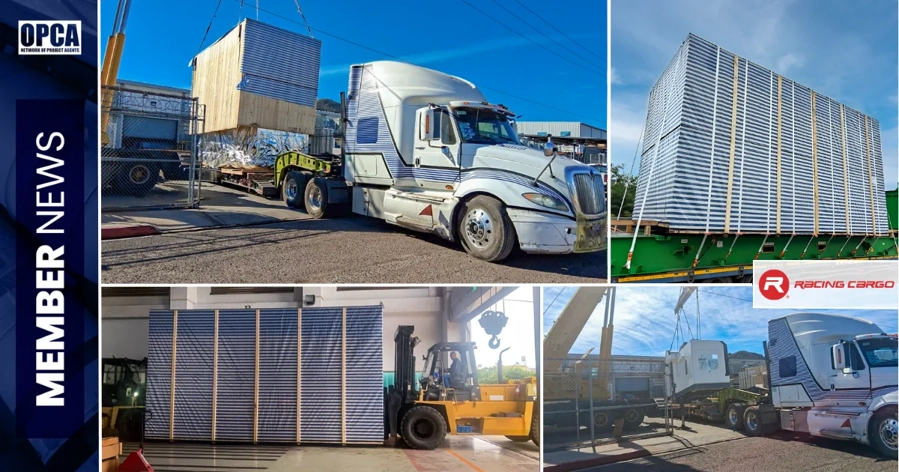
OPCA Members for China–Sri Lanka Project Logistics
The members of OPCA work to build better logistics links between China and Sri Lanka. The company provides operational excellence together with its extensive regional connections, which enable it to handle cargo planning and documentation and maintain regulatory standards.
OPCA professionals provide companies with solutions to handle their intricate delivery needs and their oversized freight and their transportation needs that involve multiple transportation methods. Their extensive experience provides complete cost visibility and precise scheduling and dependable delivery services for all shipping operations between China and Sri Lanka.
The worldwide project cargo network of OPCA enables businesses to find dependable logistics providers, which improve their supply chain performance and support environmentally friendly international trade operations.