_logo.webp)
What is a Tariff and How Does it Impact Trade?
Table of Contents
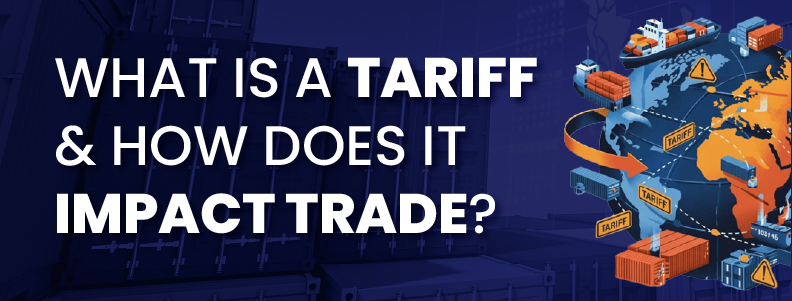
The term "tariff" holds significant importance in global trade because it affects all participants involved in international business activities. The comprehension of tariffs meaning and their effects on trade operations becomes vital for anyone who deals with imports or exports or makes investments across borders. Tariffs function as policy instruments which direct trade movements while affecting national economies and sometimes leading to international trade conflicts.
The article delivers a detailed tariff explained through a comprehensive breakdown that explains their operational mechanisms and payment structures and their effects on business operations and economic systems.
What is a Tariff?
A tariff represents a government-imposed tax which applies to imported and exported merchandise. The main objective of tariffs is to increase the cost of imported goods thus steering consumers and businesses toward domestic products.
The government sets tariffs as either specific charges based on units or as percentage-based rates that apply to the total value of imported goods. Governments implement tariffs to control import levels while collecting funds and safeguarding domestic businesses from international market competition.
The Harmonized System (HS) classification codes determine the tariff rates which apply to thousands of items ranging from basic materials to completed products in a typical tariff list.
What is Purpose of Tariffs?
Tariffs function as a tool to achieve trade equilibrium while safeguarding home-based manufacturing sectors. The implementation of tariffs through higher import prices enables domestic products to gain market advantage.
Key objectives include:
- Protecting domestic industries: Preventing cheaper imports from harming local businesses.
- Encouraging local production: Incentivizing manufacturers to expand and invest in domestic capacity.
- Generating government revenue: Especially in developing countries where import duties represent a major income source.
- Influencing foreign policy: Tariffs are sometimes used as leverage in trade negotiations or disputes.
Tariffs function as dual instruments which promote economic goals while advancing political objectives through their ability to influence trade patterns and defend national interests.
How do Tariffs Work?
A tariff applied by a country becomes effective at the border entry point when goods attempt to cross into the country. Customs officials determine tariff rates through assessments of product worth and measurement of quantity and product classification within the tariff system.
For example:
- If a country applies a 10% tariff on imported electronics worth $100,000, the importer must pay $10,000 in tariff duties.
- This cost is then passed along the supply chain, often increasing the final price paid by consumers.
The current trade systems use electronic systems to enforce tariffs by requiring importers to declare their shipments and make duty payments through digital customs platforms. The implementation of tariffs provides temporary benefits to domestic businesses but results in elevated market costs and decreased commercial activity.
Who Pays for the Tariff?
The actual payment responsibility for tariffs depends on how companies organize their supply chain operations. Most importers must pay customs tariffs directly to the government during the customs clearance process. The additional costs from tariffs usually end up in consumer prices because businesses transfer them to their customers.
The end consumer must pay part of the financial costs that result from tariffs. The implementation of destination market tariffs against exported products leads to reduced competitiveness for exporters. The distribution of tariffs throughout trade operations requires full understanding because it affects both cost control and pricing methods.
Why do Governments Impose Tariffs?
The government uses tariffs for multiple purposes which include defending domestic employment and managing trade equilibrium.
- Protecting Local Industries: Tariffs can give developing industries a chance to grow without being overwhelmed by cheaper foreign goods.
- Reducing Trade Deficits: High tariffs discourage imports and promote local substitutes, helping balance national trade accounts.
- Political Strategy: Tariffs are often used as negotiation tools in trade disputes or to influence diplomatic relations.
- Revenue Generation: In many emerging economies, tariffs remain a stable and significant source of government income.
The implementation of tariffs in practice creates countermeasures from trading nations which results in trade conflicts that harm worldwide supply networks.
How do Tariffs Impact the Economy?
The economic effects of tariffs create multiple complex impacts on national economies. The protection of specific industries through tariffs leads to higher supply chain expenses which decreases the overall efficiency of trade operations.
Positive Impacts:
- Encourages domestic production.
- Safeguards local employment.
- Increases government revenue through customs duties.
Negative Impacts:
- Raises consumer prices.
- Limits market competition.
- Triggers retaliation from other countries.
- Slows down global trade and investment flows.
The imposition of tariffs by major economies leads to reduced export demand and delayed delivery times and shipping uncertainties for smaller trading nations that depend on international markets.
Tariffs imposed by large economies create changes in shipping routes and cargo volumes and freight requirements which affect all activities from port operations to warehouse and distribution services.
What Should Investors Consider in Light of Tariffs and Trade Disputes?
Investors face dual challenges from tariffs because these trade barriers create obstacles but also present market opportunities. The current trade tensions create problems for particular industries yet generate advantages for other business sectors. The implementation of tariffs that raise steel import prices leads to increased profits for domestic steel producers but results in higher expenses for businesses that depend on steel imports.
Investors should monitor the following factors:
- Policy Changes: Tariff adjustments often follow political or diplomatic developments.
- Sector Exposure: Companies dependent on international supply chains are more vulnerable.
- Currency Fluctuations: Tariffs can influence exchange rates, affecting import and export margins.
- Long-Term Trade Agreements: Understanding treaties, free trade zones, and bilateral agreements helps anticipate tariff risks.
Financial stability can be achieved through portfolio diversification and staying updated about trade regulations which include international letter of credit tools to reduce tariff-related market fluctuations.
Frequently Asked Questions About Tariff
What is a tariff and how does it affect trade?
A tariff is a government-imposed tax on imports or exports. It affects trade by increasing costs, reducing import volumes, and influencing global competitiveness.
What do you mean by tariff?
The term “tariff” refers to a duty charged by governments on traded goods, typically applied to imports to protect domestic industries or raise revenue.
How do tariffs affect the volume of trade?
Higher tariffs generally reduce trade volume by increasing prices for importers and consumers. Lower tariffs encourage more open trade.
Are tariffs good or bad?
It depends on perspective. Tariffs protect local industries but can harm consumers through higher prices and reduced choice.
What is an example of a tariff?
An example would be a 15% import tariff on vehicles entering a country, making imported cars more expensive than local ones.
Do tariffs cause inflation?
Yes, tariffs can contribute to inflation by increasing production and retail costs, which are passed on to consumers as higher prices.
OPCA Members Guiding Global Trade Resilience
The Overseas Project Cargo Association (OPCA) members guide businesses through international trade changes by handling tariffs and operate their cross-border operations with maximum efficiency.
The OPCA freight forwarders network provides businesses with professionals trade agreements and logistics complexities. The international knowledge of OPCA members enables businesses to handle regulatory shifts and who specialize in tariff structures and customs compliance complexities. The experts assist importers and exporters to preserve their supply chain operations while finding the most efficient shipping paths and reducing additional expenses from tariff modifications.
OPCA member collaboration enables businesses to maintain stable and transparent operations at affordable costs throughout markets that experience changes in trade regulations and tariff rates.