_logo.webp)
What is RoRo Shipping?
Table of Contents
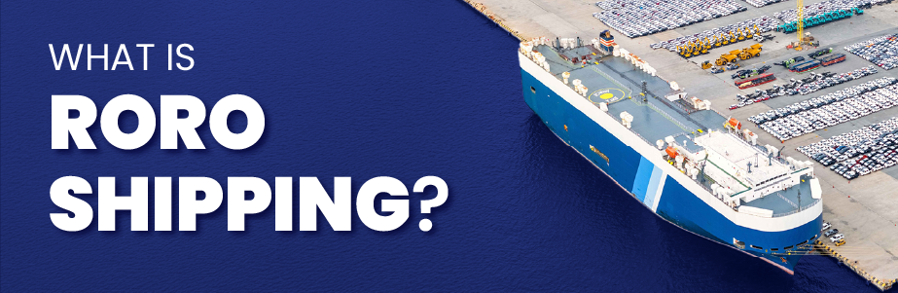
The Roll-on/Roll-off shipping method known as RoRo shipping enables sea transportation of wheeled cargo including cars and trucks and buses and heavy machinery through specialized vessels. The direct loading process of RoRo shipments onto ships through built-in ramps provides faster and safer and more affordable transportation compared to containerized cargo.
The basic roro shipping meaning involves vehicles entering the ship at departure ports before exiting at their final destinations. The roro shipping method allows vehicles to enter and exit ships through built-in ramps which eliminates the requirement for cranes or containerization to move equipment and vehicles between nations.
The worldwide network of RoRo shipping companies transports more than one million vehicles annually through their dedicated roro shipping routes. The ships used for roro shipping feature multiple levels and hydraulic systems and ramps which enable safe and efficient vehicle and equipment handling during roro ship loading operations.
How does RORO shipping work?
The roro in shipping process follows a simple path which needs exact timing between steps. The port reception process for vehicles includes vehicle inspection followed by fueling and then ramp-based ship entry. The cargo area uses straps and wheel blocks to secure vehicles for transportation while they remain stationary.
The shipping fleet for car roro shipping includes vessels that handle both regular passenger cars and heavy industrial machinery. The shipping lines handle all inspection procedures and customs processes and documentation requirements with maximum efficiency.
The roro ship loading process organizes vehicles by size and type for optimal space efficiency. The vehicles exit the ship through the same sequence they entered during loading. The method enables faster port operations than traditional container shipping methods.
Modern RoRo vessels now incorporate roro ship tracking which enable users to monitor shipment positions and forecast delivery times in real-time.
When is RORO shipping used?
RoRo shipments are ideal when the cargo is self-propelled or can be mounted on wheels. It is commonly used for:
- International car trade: transporting new and used vehicles between continents.
- Construction and agricultural machinery: moving heavy-duty equipment such as excavators, bulldozers, and tractors.
- Defense and emergency logistics: delivering military vehicles or relief equipment during crises.
- Tourism and relocation: allowing individuals to transport personal vehicles overseas.
The RoRo shipping from Japan enables the export of used cars to destinations across Africa and the Middle East and Southeast Asia. The RoRo ship Philippines network operates as a domestic trade enabler through its efficient service between regional islands.
Businesses select roro shipping over container options because it offers operational ease and affordable costs for transporting vehicles that can self-movement.
What are the advantages of RORO shipping?
There are several reasons why roro shipping has become a preferred solution for automotive and machinery logistics:
-
Speed and Efficiency: Loading and unloading are quicker than containerized methods, as vehicles drive directly onto the vessel.
- Cost Savings: Since there is no need for container packing, roro shipping price is typically lower. Many operators also provide a roro shipping cost calculator to help estimate expenses.
- Safety and Security: Dedicated decks and tie-down systems ensure that vehicles remain secure during transit.
- Flexibility: RoRo ships can handle everything from compact cars to large industrial cargo.
- Reduced Handling Damage: Fewer touchpoints mean less risk of physical damage compared to lifting containers.
- Eco-Friendliness: Modern roro shipping companies invest in fuel-efficient vessels to minimize emissions.
For specific routes, such as RoRo shipping Korea to Albania, this method ensures seamless delivery without repackaging or reloading.
Examples of using RORO ships for emergency aid
RoRo vessels have demonstrated their worth in humanitarian and emergency response situations. The fast transportation of vehicles and equipment and relief supplies through roro shipping makes them vital for worldwide disaster response efforts.
The delivery of trucks and ambulances and mobile hospitals through roro shipping lines enables emergency response during major disasters including earthquakes and hurricanes. The roro ship Philippines network facilitates typhoon relief operations between islands through fast delivery of rescue vehicles and essential supplies.
The roro shipping from Canada and roro shipping to Mexico have established themselves as vital components for international aid logistics by delivering critical cargo with speed. The flexible nature of RoRo vessels maintains their position as the preferred choice for government agencies and non-governmental organizations and worldwide logistics companies.
RORO Shipping FAQ’s
What is the meaning of RoRo shipping?
The shipping method known as RoRo (Roll-on/Roll-off) uses ships with integrated ramps to transport wheeled cargo which drivers can load and unload directly from the vessel.
What is the difference between RoRo and container shipping?
The shipping process of RoRo involves direct vehicle loading onto ships but container shipping demands vehicles to enter metal containers for transport. The RoRo method reduces handling expenses while speeding up operations yet containers protect non-drivable items during transport.
Do RoRo ships carry passengers?
The roro shipping industry operates hybrid vessels which transport vehicles together with passengers throughout European and Southeast Asian waters. International RoRo ships operate as dedicated cargo vessels without passenger transportation.
How many cars can a RoRo ship carry?
The capacity of vessels depends on their dimensions. The Pure Car and Truck Carriers (PCTCs) operated by major roro shipping companies have multiple decks which enable them to transport between 6,000 to 8,000 vehicles. The transportation capacity of regional ships operates at a lower level than larger vessels because they transport between 100 to 500 vehicles during each journey.
OPCA Members Enhancing RoRo Shipping Connections
The Overseas Project Cargo Association (OPCA) unites logistics experts who handle intricate cargo management for worldwide RoRo transportation.
Through OPCA’s trusted freight forwarders international network, businesses to find dependable partners who grasp the specific needs of roro shipping and logistics operations. Members help clients choose vessels and handle customs paperwork and price estimation through their advanced roro shipping cost calculator systems.
The members of OPCA organize customized shipping routes that include roro shipping companies in Dubai and roro shipping from Japan and the cost of roro shipping from the USA to Nigeria for secure and efficient international delivery. The worldwide partnership network of OPCA members enables automotive trade and project logistics and emergency transport services which solidifies their position as a vital partner for global RoRo operations.